
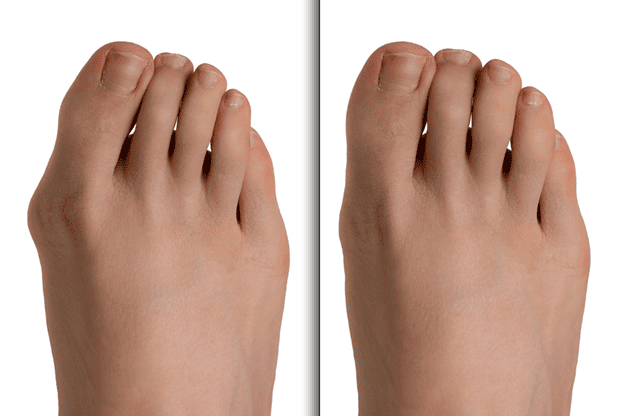
A bunion is more than a bump on the side of your foot. Also called hallux valgus, a bunion develops when the alignment of the big toe and structures of the forefoot changes. Over time, the deformity can lead to pain, pressure, inflammation, difficulty wearing shoes, and problems with walking or other activities.
For some patients, minimally invasive bunion surgery may be an option when symptoms persist despite appropriate nonsurgical treatment. In general, this approach may be considered when a painful or progressive bunion has not responded adequately to conservative care, and the specific deformity can be appropriately corrected using a minimally invasive technique.
However, not every bunion requires surgery, and not every patient is a candidate for the same procedure. The appropriate approach depends on the structure and severity of the deformity, symptoms, activity limitations, previous treatment, and overall foot health.
At Associated Podiatrists, P.C. in Novi, we evaluate the bunion itself as well as your symptoms, foot structure, activity limitations, treatment history, and imaging when appropriate. This helps determine whether continued nonsurgical care, minimally invasive bunion surgery, traditional surgery, or another treatment approach may be appropriate.
What Makes a Bunion a Candidate for Surgery?
A bunion develops when the alignment of the big toe and first metatarsal changes. As the deformity progresses, pressure around the big-toe joint and surrounding structures can become increasingly uncomfortable.
Having a bunion does not automatically mean surgery is necessary. The size of the visible bump alone also does not determine whether someone needs bunion surgery.
A podiatrist may discuss surgical correction when a patient has:
- Persistent or worsening bunion pain
- Difficulty finding or wearing comfortable shoes
- Pressure or irritation around the big-toe joint
- Difficulty walking or participating in normal activities
- A progressively worsening bunion deformity
- Symptoms that continue despite appropriate nonsurgical treatment
Conservative bunion treatment may include footwear modifications and other symptom-management strategies. When those measures no longer provide adequate relief, the next step is not automatically surgery. An evaluation can help determine whether the patient’s symptoms, function, and anatomy support considering surgical correction.
Also Read: Do You Have Bunions?
Who May Be a Candidate for Minimally Invasive Bunion Surgery?
There is no single type of patient who qualifies for minimally invasive bunion surgery. Candidacy depends on the individual’s anatomy, symptoms, foot function, and the characteristics of the deformity.
During an evaluation, a podiatrist may consider:
- Severity and alignment of the bunion
- Position of the bones and joints
- Big-toe joint function
- Pain and other symptoms
- Limitations with walking or daily activities
- Difficulty wearing footwear
- Response to conservative treatment
- Overall foot and ankle health
- Physical examination findings
- Imaging findings
Imaging can provide additional information about bone and joint positioning and help determine what type of correction may be appropriate. The physical examination can also help assess the big toe, surrounding foot structures, gait, and functional limitations.
Active adults and patients with persistent pain, footwear problems, or activity limitations may benefit from discussing their options with a podiatrist. Having those symptoms does not automatically mean minimally invasive surgery, or surgery at all, is necessary.
How Does Minimally Invasive Bunion Surgery Correct the Deformity?
The goal of bunion surgery is not simply to remove the visible bump. Effective correction addresses the underlying alignment problem that created the deformity.
During minimally invasive bunion surgery, specialized instruments may be used through small incisions to perform the necessary bone correction. The goal is to realign the affected bones and address the structural deformity.
The exact technique depends on the patient’s anatomy and the characteristics of the bunion. This is why “bunion removal” can be a misleading way to think about the procedure. Although the prominent bump is part of what patients see and feel, the underlying alignment of the foot must also be considered when planning surgery.
For selected patients, minimally invasive techniques can be used to correct the underlying bunion deformity. Whether that approach is appropriate depends on the type and severity of the bunion, the patient’s anatomy, and the findings of the podiatric evaluation.
Also Read: Bunions: why they form and how to find lasting relief
Minimally Invasive vs. Traditional Bunion Surgery
Both minimally invasive and traditional surgical techniques can be used to correct bunions. The appropriate approach depends on what needs to be corrected rather than incision size alone.
Minimally invasive surgery uses smaller incisions and specialized instruments to perform the required correction. Traditional techniques use a more open surgical approach and may provide different surgical access depending on the procedure being performed.
When comparing the two approaches, a podiatrist may consider:
- The type and severity of the bunion
- Bone and joint alignment
- The amount and type of correction required
- Individual foot anatomy
- Surgical access required
- Big-toe joint function
- Recovery considerations
Neither approach is automatically appropriate for every patient. Some bunion deformities may be suitable for a minimally invasive technique, while others may require a traditional surgical approach based on the anatomy and correction needed.
The smaller incision associated with minimally invasive surgery is only one part of the decision. The priority is choosing a technique that appropriately addresses the patient’s specific bunion deformity.
Is Minimally Invasive Bunion Surgery Right for Me?
Whether minimally invasive bunion surgery is appropriate depends on more than how the bunion looks. Your symptoms, foot structure, imaging findings, treatment history, activity limitations, and overall health all contribute to the decision.
Persistent bunion pain, increasing difficulty wearing shoes, reduced walking or activity tolerance, or a progressive deformity may be reasons to schedule a podiatric evaluation. Pain severity alone, however, does not determine which treatment or surgical technique is appropriate.
An evaluation can help distinguish between a bunion that may continue to be managed conservatively and one for which surgical correction should be considered. If surgery is appropriate, your podiatrist can then determine whether the deformity is suitable for a minimally invasive or traditional technique.
What Is Recovery Like After Minimally Invasive Bunion Surgery?
Recovery varies according to the procedure performed and the patient’s individual circumstances. Smaller incisions do not necessarily mean an immediate return to normal activities.
After surgery, patients may experience swelling and discomfort and may need protective footwear or temporary activity restrictions. Instructions regarding weight-bearing, wound care, footwear, and activity will depend on the procedure and individual postoperative plan.
As healing progresses, patients may gradually return to normal footwear, walking, work, exercise, and other activities according to their postoperative instructions. Swelling can also continue during the healing process even when recovery is progressing as expected.
Because recovery differs among procedures and patients, your podiatrist can provide a more individualized timeline after determining which surgical technique is appropriate.
Bunion Treatment in Novi: What to Expect From an Evaluation
If bunion pain is interfering with footwear, walking, exercise, or other activities, a podiatric evaluation can help clarify why the bunion is causing symptoms and which treatment options make sense for your foot.
At Associated Podiatrists, P.C. in Novi, an evaluation may include an examination of the big toe, first metatarsal, surrounding foot structures, and overall foot function. We also consider your symptoms, medical history, activity limitations, footwear concerns, and previous treatment. Imaging may be used to evaluate the severity and alignment of the bunion deformity.
Together, these findings can help determine whether continued conservative care, minimally invasive bunion surgery, traditional surgery, or another treatment option should be considered. This individualized assessment is more informative than trying to determine surgical candidacy based on the appearance of the bunion alone.
Also Read: Here are 10 signs you should see a Podiatrist:
Frequently Asked Questions
When Is Minimally Invasive Bunion Surgery an Option?
Minimally invasive bunion surgery may be considered when a painful or progressive bunion continues to cause symptoms despite appropriate conservative treatment and the specific deformity can be appropriately corrected using a minimally invasive technique. Candidacy depends on the patient’s anatomy, symptoms, foot function, imaging findings, and the type of correction required.
Can Severe Bunions Be Treated With Minimally Invasive Surgery?
Some bunion deformities may be appropriate for minimally invasive correction, but severity alone does not determine the surgical approach. The podiatrist must also consider the patient’s anatomy, bone and joint alignment, foot function, and the correction required. Some patients may be better suited to a traditional surgical technique.
How Is Minimally Invasive Bunion Surgery Different From Traditional Bunion Surgery?
Minimally invasive bunion surgery uses smaller incisions and specialized instruments to perform the necessary correction. Traditional surgery uses a more open approach that may provide different surgical access. The appropriate technique depends on the type of bunion, individual anatomy, joint and bone alignment, and the correction required.
Can You Walk After Minimally Invasive Bunion Surgery?
Weight-bearing instructions depend on the specific procedure performed and the patient’s postoperative plan. Some patients may be permitted to bear weight with protective footwear, while others may require different restrictions. Your podiatrist will provide instructions based on the surgical technique and your individual recovery.
How Long Does Recovery Take After Minimally Invasive Bunion Surgery?
There is no single recovery timeline for every patient. The return to regular footwear, work, exercise, and other activities depends on the procedure performed and individual healing. Swelling may continue during the healing process even as activity gradually increases.
How Does a Podiatrist Determine Which Type of Bunion Surgery You Need?
A podiatrist can evaluate your symptoms, medical history, functional limitations, foot structure, joint function, and imaging findings. These factors help determine whether continued conservative treatment, minimally invasive bunion surgery, traditional surgery, or another approach is appropriate.
Find Out Which Bunion Treatment Fits Your Foot
Persistent bunion pain, difficulty wearing shoes, or limitations with walking and activity are reasons to have the deformity evaluated, but they do not automatically mean surgery is necessary. The appropriate treatment depends on your symptoms, anatomy, foot function, imaging findings, and how the bunion has responded to nonsurgical care.
At Associated Podiatrists, P.C. in Novi, we evaluate these factors before recommending a treatment approach. If your bunion continues to interfere with daily life, schedule an evaluation to find out whether minimally invasive bunion surgery, traditional correction, or continued nonsurgical treatment may be appropriate for your foot.