
Plantar warts can be surprisingly stubborn. What starts as a small, rough spot on the bottom of your foot may become painful when you walk, exercise, or stand for long periods. You might try over-the-counter wart removers for weeks, only to find that the growth hasn’t changed or keeps coming back.
If you’re tired of treating the same wart without seeing results, you may be interested in an option that doesn’t involve cutting, freezing, or surgically removing skin. SWIFT microwave treatment takes a different approach by delivering controlled microwave energy to wart tissue to help stimulate your body’s immune response to the human papillomavirus (HPV), which causes plantar warts.
For patients considering SWIFT wart treatment in Novi, Michigan, understanding how it works, what the procedure feels like, and what results to expect can help you decide whether it’s worth discussing with a podiatrist.
Why Are Plantar Warts So Difficult to Get Rid Of?
Plantar warts develop when certain types of HPV infect the outer layers of skin on the soles of your feet. They commonly appear on the heels or balls of the feet, where pressure from walking can push the growth inward beneath thickened skin.
Unlike a wart on your hand, a plantar wart may feel as though you’re stepping on a small pebble every time you put weight on your foot. Some are barely noticeable, while others make everyday activities uncomfortable.
Common signs include:
- Thickened or rough skin: A wart may resemble a callus, especially when it develops on a weight-bearing area.
- Small black dots: These are typically tiny, clotted blood vessels within the wart.
- Tenderness when walking: Pressure on the affected area can cause discomfort.
- Interrupted skin lines: The natural lines on the sole may stop or change direction around the growth.
- Clusters of warts: Several plantar warts can develop close together, sometimes forming a larger area known as a mosaic wart.
One reason plantar warts can persist is that HPV infects skin cells without always triggering an effective immune response. Some warts disappear on their own, but others remain for months or even years.
Treatments such as salicylic acid and freezing work primarily by damaging or removing infected tissue. They can be effective, but a persistent wart may require repeated treatment, and recurrence is possible.
This is where SWIFT offers a different approach.
Also Read: Here are 10 signs you should see a Podiatrist:
How Does SWIFT Microwave Wart Treatment Work?
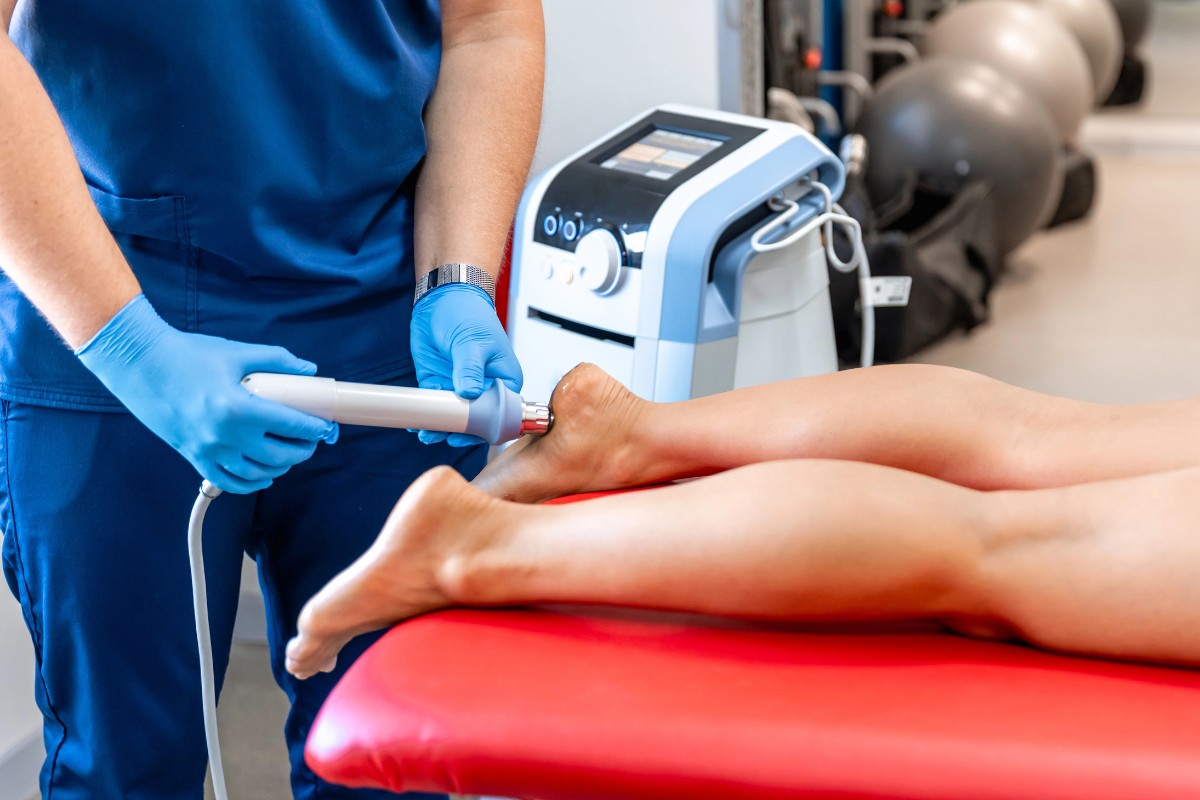
SWIFT is a nonsurgical wart treatment that delivers controlled microwave energy through a small applicator placed directly against the affected skin.
Rather than cutting out the wart or relying primarily on destruction of the infected tissue, the treatment uses localized heating to encourage an immune response in the area.
Step 1: Microwave Energy Is Delivered to the Wart
During treatment, your podiatrist places the SWIFT applicator against the plantar wart. The device delivers a brief pulse of microwave energy, generating localized heat within the targeted tissue.
The application itself typically lasts only a few seconds. Your podiatrist follows the device’s treatment protocol to deliver the energy to the affected area.
Unlike surgical wart removal, SWIFT does not require an incision or stitches. It also does not typically create the open wound associated with cutting out a wart.
Step 2: The Treatment Aims to Stimulate an Immune Response
HPV can persist in the skin when the immune system does not effectively recognize and clear infected cells. SWIFT is designed to stimulate a local tissue response that may help the immune system recognize HPV-infected tissue.
This distinction matters because the treatment is not intended to physically pull the wart out of your foot. Instead, it aims to encourage your body’s defenses to address the infected area.
As the immune response develops, the wart may gradually become smaller or disappear. The process takes time, and not every wart responds in the same way.
SWIFT does not guarantee complete clearance, and research continues into its effectiveness and how it compares with established wart treatments.
Step 3: The Skin Is Not Surgically Removed
For patients who have already tried freezing or are concerned about surgical wart removal, the absence of an incision may be appealing.
SWIFT generally does not require stitches, bandages, or the wound care associated with surgical excision. Most patients can return to their normal activities after treatment, although temporary tenderness is possible.
The procedure can still be uncomfortable. Some patients experience a brief but intense sensation of heat or pain while the microwave energy is delivered. Your podiatrist can explain what to expect before treatment begins.
SWIFT Microwave Therapy vs. Traditional Wart Removal
There is no single wart treatment that works best for every patient. The right approach depends on the wart’s location, size, duration, previous treatment response, and your medical history.
Here’s how SWIFT compares with other commonly used treatments.
| Treatment | How It Works | What to Consider |
|---|---|---|
| SWIFT microwave therapy | Delivers controlled microwave energy to encourage a local immune response | No surgical incision; treatment can be uncomfortable and may require several sessions |
| Salicylic acid | Gradually breaks down wart tissue through repeated application | Often used at home; requires consistency and may irritate nearby skin |
| Cryotherapy | Freezes wart tissue, commonly using liquid nitrogen | May cause pain, blistering, and temporary tenderness; repeat visits are often needed |
| Curettage or surgical removal | Physically removes wart tissue | May require local anesthesia, wound care, and recovery time; scarring is possible |
| Laser treatment | Uses concentrated energy to damage or destroy targeted tissue | Anesthesia or aftercare may be necessary, depending on the technique |
When Might SWIFT Be Worth Considering?
SWIFT may be an option to discuss when a plantar wart remains painful or persistent despite previous treatment, particularly if you would prefer to avoid surgical removal.
Its main practical differences include:
- No surgical incision: The wart is not cut out during treatment.
- No routine surgical wound care: Treatment generally does not leave the type of open wound associated with excision.
- Brief applications: Microwave energy is delivered in short pulses during an office appointment.
- A different treatment mechanism: SWIFT aims to stimulate an immune response rather than relying primarily on physically removing infected tissue.
- Limited interruption to routine activities: Many patients can resume their usual activities afterward, depending on discomfort and their podiatrist’s instructions.
These advantages need to be weighed against the possibility of treatment pain, cost, incomplete clearance, and the need for multiple appointments.
Is SWIFT More Effective Than Freezing or Other Wart Treatments?
SWIFT has shown encouraging results in some clinical studies, particularly for persistent plantar warts. However, research findings vary, and there is not enough evidence to conclude that it is consistently superior to established treatments such as salicylic acid or cryotherapy.
A treatment that works well for one patient may not produce the same result for another. Wart duration, size, location, and individual immune response can all affect the outcome.
Your podiatrist can help you compare the available treatments based on your particular situation rather than assuming the newest option is automatically the best one.
Also Read: Can SWIFT Treat Plantar Warts Without Cutting or Freezing?
What Happens During a SWIFT Wart Treatment Appointment?
Knowing what to expect can make the appointment less intimidating, especially if you’ve previously experienced painful wart treatments.
1. Your Podiatrist Examines the Wart
Before recommending SWIFT, your podiatrist will examine the affected area to confirm that the growth appears consistent with a plantar wart.
This matters because corns, calluses, and certain other skin conditions can resemble warts. A lesion that changes color, bleeds unexpectedly, or has an unusual appearance may require additional evaluation.
Your podiatrist will also ask about previous treatments, how long the wart has been present, and whether it interferes with walking or other activities.
2. The Microwave Energy Is Applied
If SWIFT is appropriate, the applicator is placed against the wart and delivers a controlled pulse of microwave energy.
Each application is brief, but you may experience a sharp sensation of heat or pain. Some patients find the discomfort manageable because it lasts only a short time, while others experience more significant pain.
It’s important to discuss any concerns about discomfort before treatment. SWIFT should not be described as painless simply because it does not involve cutting the skin.
3. You Receive Aftercare and Follow-Up Instructions
SWIFT typically does not require the same wound care as surgical wart removal. There is generally no incision to protect, and many patients can return to their usual routine after the appointment.
Temporary tenderness may occur, especially when the wart is located on a weight-bearing part of the foot.
Your podiatrist will explain what to watch for and when to return for another treatment or follow-up evaluation.
How Many SWIFT Treatments Does It Take to Remove a Plantar Wart?
One of the biggest differences between SWIFT and surgical wart removal is that the wart does not usually disappear immediately after treatment.
The microwave application is brief, but the intended immune response develops over time. You may not notice a visible change in the wart right away.
Typical SWIFT Treatment Schedule
A commonly described SWIFT treatment course involves approximately three or four sessions, often spaced about four weeks apart.
However, that is not a guarantee that every patient will need exactly three or four visits. Some warts may respond sooner, while others may require additional treatment or a different approach.
Factors that can influence the treatment course include:
- How long the wart has been present
- The size and location of the affected area
- Whether multiple warts are present
- Previous treatment attempts
- Individual immune response
Your podiatrist will assess progress between appointments and determine whether continuing treatment makes sense.
When Will You Notice Results?
Because SWIFT is intended to encourage a biological response, improvement may take several weeks or longer.
The wart may gradually become flatter, smaller, or less uncomfortable. In some cases, visible changes may be subtle at first.
Not every wart clears completely, even after a full treatment course. If the lesion remains unchanged or continues causing pain, your podiatrist may recommend reassessing the diagnosis or considering another treatment.
Can Plantar Warts Come Back After SWIFT?
Yes. Even when a wart clears successfully, recurrence is possible.
HPV causes plantar warts, and treatment cannot guarantee that another wart will never develop. New lesions may appear if the virus infects another area of skin.
Avoiding direct contact with warts, keeping your feet clean and dry, and wearing protective footwear in communal wet areas may help reduce exposure and spread.
Who Is a Good Candidate for SWIFT Wart Treatment?
SWIFT may be worth discussing if you have a plantar wart that is painful, persistent, or has not responded to previous treatments.
It may also appeal to patients who want to explore an option that does not involve freezing or surgically cutting away the wart.
However, not every lesion should be treated with microwave therapy, and not every patient is an appropriate candidate.
Your podiatrist should review your medical history, examine the lesion, and consider any factors that could affect treatment safety. Be sure to mention pregnancy or breastfeeding, relevant medical conditions, and any implants or devices that may affect treatment eligibility under the manufacturer’s instructions.
You should also have an unusual or changing skin lesion evaluated before attempting wart treatment. Bleeding, rapid growth, changes in color, or persistent unexplained pain deserve professional attention.
Also Read: Plantar Warts: Take the Swift Road to Recovery
SWIFT Wart Treatment in Novi, Michigan
A plantar wart that keeps returning or makes walking uncomfortable deserves a closer look, particularly when home treatments have not helped.
At Associated Podiatrists, P.C., our podiatry team evaluates plantar warts and helps patients understand the available treatment options. We consider the wart’s appearance, your symptoms, and previous treatment results before recommending a plan.
For patients interested in SWIFT microwave therapy, a professional evaluation can help determine whether this approach is appropriate and how it compares with other treatments.
Frequently Asked Questions About SWIFT Wart Treatment
1. How Does SWIFT Wart Treatment Work Without Removing Skin?
SWIFT delivers controlled microwave energy through a handheld applicator to generate localized heat in the affected tissue. The treatment is designed to stimulate an immune response against HPV-infected skin rather than surgically removing the wart. It does not require an incision or stitches.
2. Is SWIFT Microwave Therapy Less Invasive Than Traditional Wart Removal?
SWIFT is nonsurgical and does not require cutting out the wart. Unlike surgical excision, it generally does not create an open wound requiring routine wound care. However, the microwave application can be uncomfortable, and several treatment sessions may be necessary.
3. How Many SWIFT Treatments Are Needed for Plantar Warts?
A typical treatment course may involve three or four sessions, often spaced approximately four weeks apart. The actual number depends on the wart’s characteristics and how it responds. Your podiatrist will recommend a schedule and reassess progress throughout treatment.
4. Does SWIFT Wart Treatment Hurt?
SWIFT can cause brief discomfort or pain during microwave energy delivery. Some patients describe a sharp sensation of heat that lasts only a few seconds. Temporary tenderness may also occur afterward. Pain tolerance and treatment experiences vary, so discuss your concerns with your podiatrist before the procedure.
5. Can SWIFT Treat Plantar Warts That Keep Coming Back?
SWIFT may be considered for persistent or recurrent plantar warts, particularly when previous treatments have not been successful. However, it does not guarantee clearance or prevent all future warts. Your podiatrist can evaluate why a wart may be recurring and determine whether microwave therapy or another approach is appropriate.
6. Is There Downtime After SWIFT Microwave Wart Treatment?
Many patients can return to their usual activities after treatment because SWIFT generally does not involve an incision or surgical wound. Some tenderness may occur, particularly when the treated wart is on a pressure-bearing area of the foot. Follow your podiatrist’s instructions if you experience discomfort.
7. Does SWIFT Kill the HPV Virus?
SWIFT is not best described as directly killing HPV. The treatment uses controlled microwave energy to produce a local tissue response intended to help the immune system recognize and respond to HPV-infected skin. The body’s response is an important part of the proposed treatment mechanism.
8. Where Can I Ask About SWIFT Wart Treatment in Novi, Michigan?
Associated Podiatrists, P.C. provides podiatric evaluation and treatment of plantar warts in Novi, Michigan. Patients interested in SWIFT microwave therapy can contact the practice to confirm treatment availability and arrange an evaluation.
Explore Your Plantar Wart Treatment Options at Associated Podiatrists
If you’ve spent weeks or months treating a stubborn plantar wart without success, it may be time to have it evaluated by a podiatrist. Persistent warts can become painful, interfere with walking, and require a different treatment approach than what you’ve already tried.
SWIFT microwave therapy offers a nonsurgical option that works differently from traditional wart removal. At Associated Podiatrists, P.C., we can examine the affected area, review your previous treatments, and help you understand whether SWIFT or another approach is appropriate.
Schedule a podiatry appointment in Novi, Michigan, to discuss your plantar wart treatment options